Healthcare · Agent Ecosystem Case Study
Seven agents. One operator. A full healthcare platform.
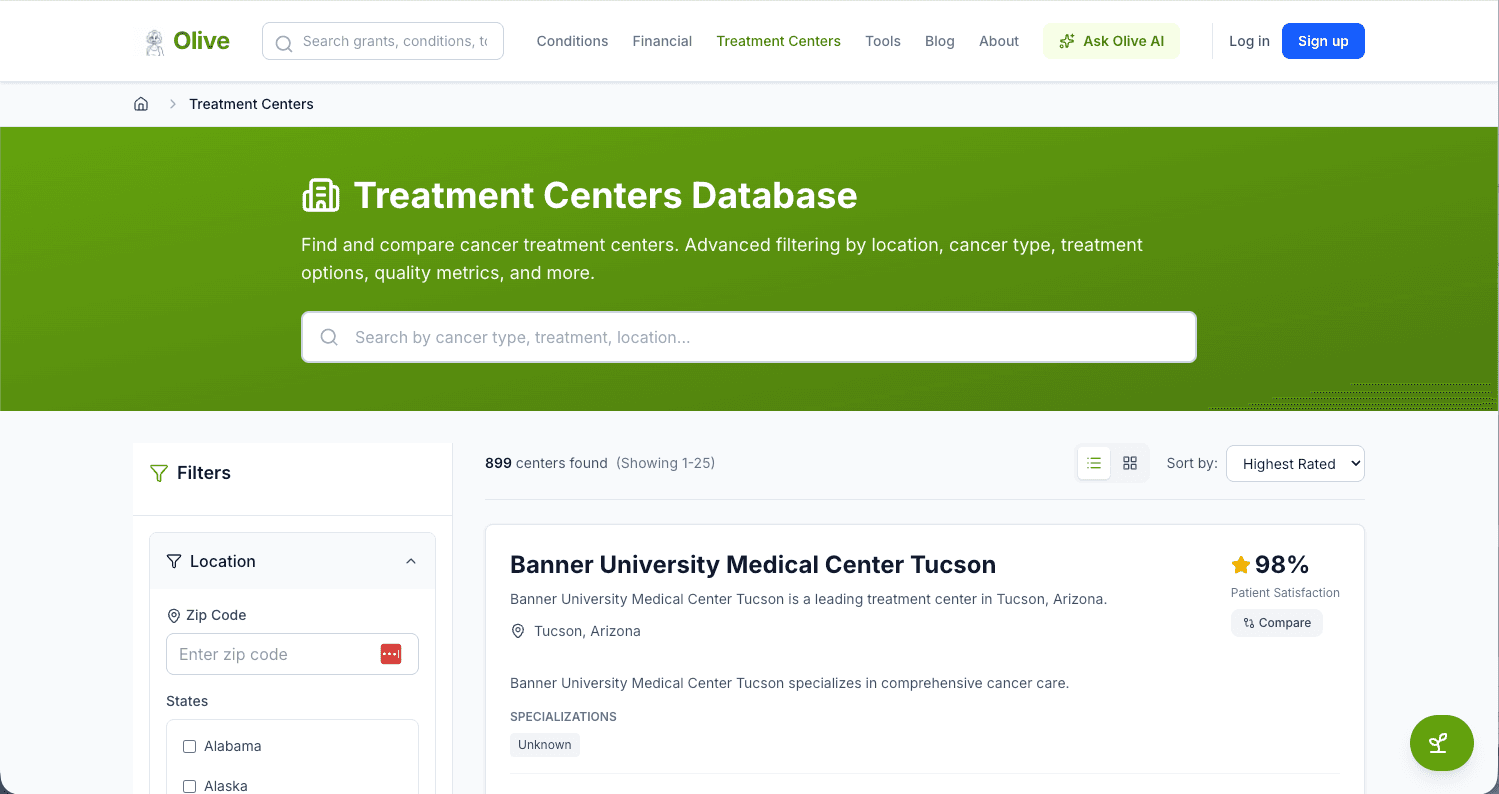
Olive Health needed a comprehensive resource for individuals and families navigating terminal illness — treatment center databases, research aggregation, educational content, and organic acquisition. Instead of hiring across six roles, we deployed seven AI agents that research, build, optimize, and publish autonomously.
reduction in content production cost
roles replaced by AI agents
autonomous operation — no manual triggers
faster page generation vs. traditional dev
Problem
The operational constraint
The company had a high-value workflow that still depended on manual analysis, scattered systems, and human follow-up. The limiting factor was not demand. It was operational capacity: the business could not scale the workflow without adding more people, more handoffs, and more management overhead.
Olive Health needed a comprehensive resource for individuals and families navigating terminal illness — treatment center databases, research aggregation, educational content, and organic acquisition. Instead of hiring across six roles, we deployed seven AI agents that research, build, optimize, and publish autonomously.
System Design
The AI agent operating system we deployed
Data & Product
- →Web scraping agent — aggregates treatment center data across the country
- →Research agent — synthesizes clinical studies, care options, and facility reviews
- →Page builder agent — generates dedicated landing pages per treatment center
Acquisition & Growth
- →SEO research agent — identifies high-intent keywords and content gaps
- →Content drafting agent — writes long-form articles optimized for search
- →Publishing agent — formats, schedules, and deploys content on cadence
Revenue & Retention
- →Lead capture & nurture agent — qualifies inbound traffic and automates follow-up sequences
Business Impact
What changed after implementation
- →Replaces a team of researchers, copywriters, SEO specialists, and a dev — operational savings north of $300K/yr at enterprise scale
- →Content pipeline runs daily without human intervention — time your team reinvests in strategy, not production
- →Automated lead capture turns organic traffic into qualified pipeline — revenue generation from day one
- →Entire system is auditable, editable, and owned by the operator — no vendor lock-in
Why it ranks
Relevant for companies researching practical AI implementation
This case study is a concrete example of AI moving beyond prompts and tools into owned business infrastructure. The pattern applies to established companies that need AI agents connected to real workflows, clear governance, human review points, and measurable operating leverage.
SterlingAI uses this style of engagement for leadership teams evaluating fractional Chief AI Officer support, AI implementation retainers, workflow automation, and practical AI agent systems.
Next step
Find the first AI employee your company should build.
If your company has similar operating constraints, start by identifying the first role AI should own, the workflow it should improve, and the ROI signal leadership can measure.
Canonical URL: https://sterlingai.dev/case-studies/healthcare-content-agent-ecosystem