Enterprise Intelligence · Unified Knowledge Base Case Study
The organization's single brain.
Every department generates data. Almost none of it talks to the rest. Operations doesn't see what finance knows. Sales doesn't see what product is building. Customer service resolves issues that marketing is actively promoting. We built a unified intelligence layer — a single brain that ingests context from every department and makes it available to every decision, in real time, across the entire organization.
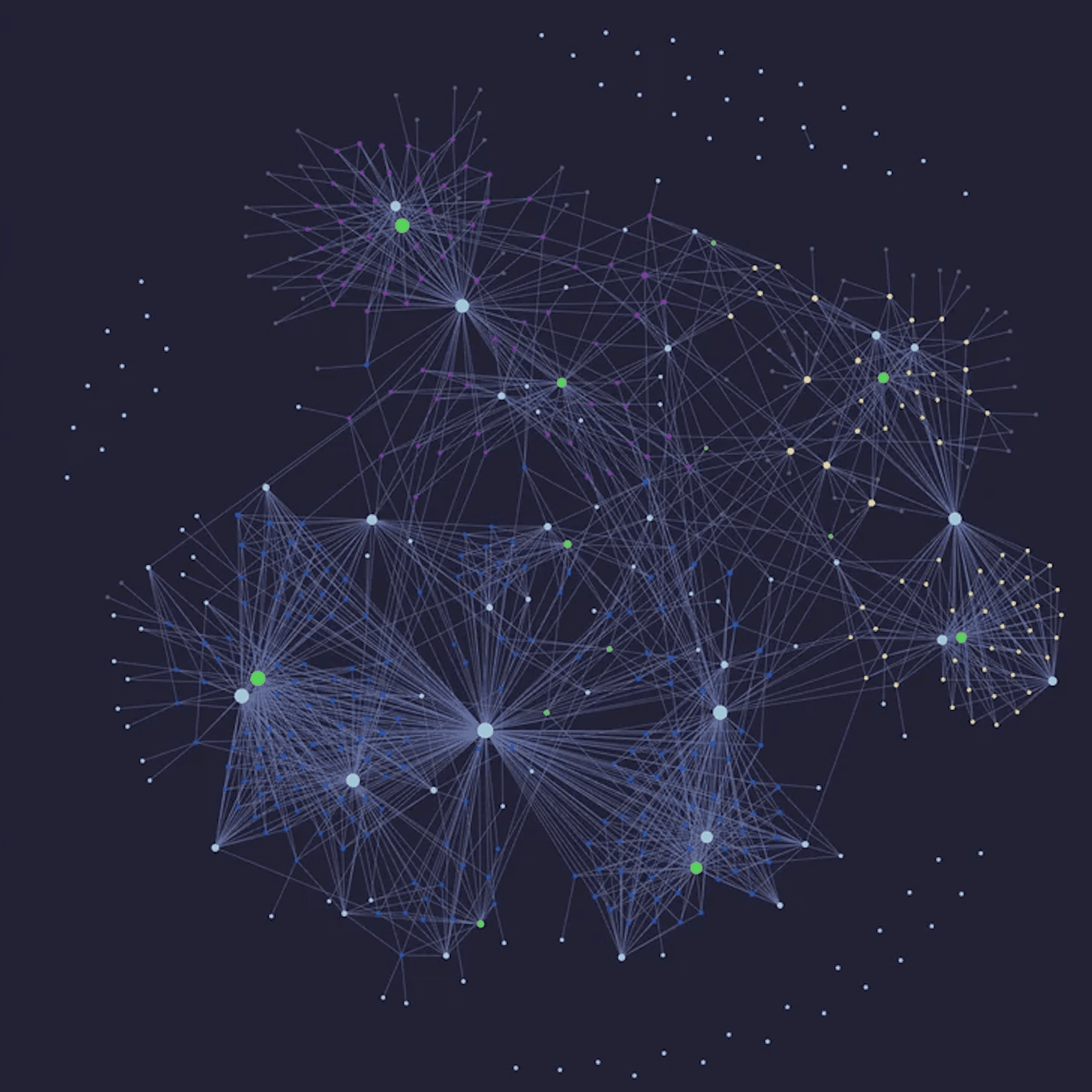
departments unified into a single intelligence layer
cross-departmental visibility — no more quarterly lag
source of truth — visible, editable, owned by the operator
impact on shareholder valuation through operational clarity
Problem
The operational constraint
The company had a high-value workflow that still depended on manual analysis, scattered systems, and human follow-up. The limiting factor was not demand. It was operational capacity: the business could not scale the workflow without adding more people, more handoffs, and more management overhead.
Every department generates data. Almost none of it talks to the rest. Operations doesn't see what finance knows. Sales doesn't see what product is building. Customer service resolves issues that marketing is actively promoting. We built a unified intelligence layer — a single brain that ingests context from every department and makes it available to every decision, in real time, across the entire organization.
System Design
The AI agent operating system we deployed
Revenue & Market Intelligence
- →Sales intelligence agent — surfaces pipeline data, win/loss patterns, and deal velocity across the org
- →Marketing performance agent — tracks campaign ROI, attribution, and content engagement in real time
- →Customer service agent — aggregates support tickets, churn signals, and satisfaction trends into actionable insight
Operations & Finance
- →Operations agent — monitors workflow efficiency, resource allocation, and bottleneck patterns across teams
- →Finance agent — provides real-time visibility into cash flow, margins, and departmental spend against targets
- →HR agent — tracks headcount, capacity, attrition risk, and hiring pipeline so leadership plans proactively
Product & Production
- →Product intelligence agent — connects roadmap priorities to customer feedback, support volume, and revenue impact
- →Production agent — tracks output cadence, quality metrics, and delivery timelines across teams
- →Cross-functional synthesis agent — identifies dependencies and conflicts between departments before they surface as problems
Business Impact
What changed after implementation
- →Frees executive bandwidth — leadership makes decisions from live data instead of waiting for department heads to compile reports
- →Reduces organizational complexity — one unified brain replaces dozens of disconnected dashboards, spreadsheets, and status meetings
- →Advances decision quality — every choice is informed by the full picture, not one department's slice of it
- →Improves shareholder valuation — operational transparency, data-driven execution, and reduced overhead signal a well-run business to investors and boards
Why it ranks
Relevant for companies researching practical AI implementation
This case study is a concrete example of AI moving beyond prompts and tools into owned business infrastructure. The pattern applies to established companies that need AI agents connected to real workflows, clear governance, human review points, and measurable operating leverage.
SterlingAI uses this style of engagement for leadership teams evaluating fractional Chief AI Officer support, AI implementation retainers, workflow automation, and practical AI agent systems.
Next step
Find the first AI employee your company should build.
If your company has similar operating constraints, start by identifying the first role AI should own, the workflow it should improve, and the ROI signal leadership can measure.
Canonical URL: https://sterlingai.dev/case-studies/enterprise-knowledge-base-ai-system